
Trading Starts with Understanding
Trading for beginners starts with understanding how financial markets work. This educational guide explains Forex, indices, commodities, cryptocurrency and essential risk management in a clear, beginner-friendly way.
Whether you are completely new to trading or looking to strengthen your understanding of Forex, indices, commodities, and cryptocurrency markets, this educational section provides a clear starting point without unnecessary complexity.
How Trading Works
Trading involves analyzing price movement and making decisions based on whether an asset is likely to rise or fall in value within global financial markets.

Analyze the Market
Traders study price charts, market trends, momentum, and economic conditions to identify potential trading opportunities across Forex, indices, commodities, and cryptocurrency markets.

Manage Risk
Before opening a trade, traders determine how much capital they are prepared to risk while applying proper risk management strategies.
Execute the Trade
A trading position is opened based on the expectation that market price will either rise or fall.
Monitor the Position
Risk management tools such as stop loss and take profit levels help traders structure positions and manage exposure responsibly.
Common Beginner Trading Mistakes
Trading involves analyzing price movement and making decisions based on whether an asset is likely to rise or fall in value within global financial markets.

Trading without a plan
Every trade should begin with a strategy, clear entry and exit points, and defined risk.
Risking too much capital
Many beginners risk too much on a single trade. Limiting risk to a small percentage of your account can help preserve capital.

Ignoring economic news
High-impact events such as interest rate decisions and inflation reports can cause sharp price movements. Following an economic calendar helps traders prepare.
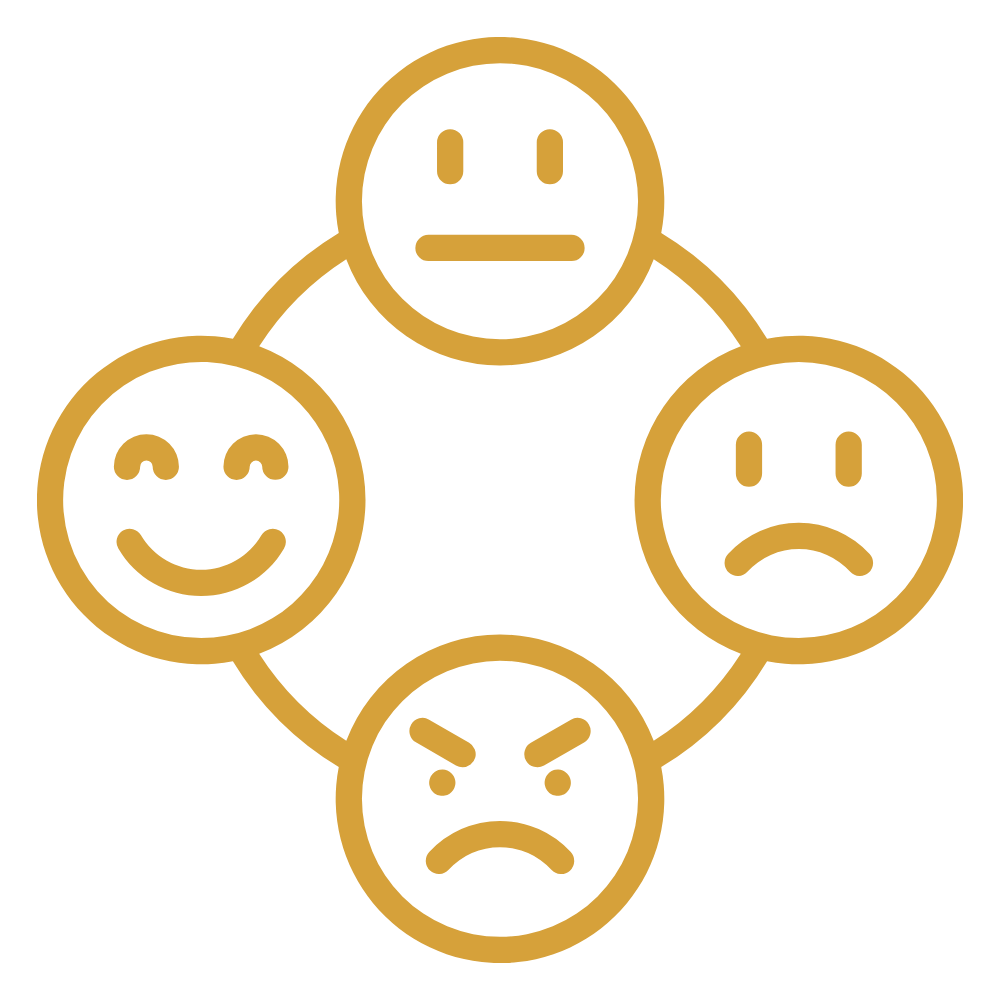
Trading emotionally
Fear and greed can lead to impulsive decisions. Sticking to a trading plan encourages consistency.

Overtrading
Opening too many positions can increase costs and reduce discipline. Waiting for quality setups is often more effective.

Skipping education
Markets evolve over time. Continuing to learn helps traders build knowledge and confidence.
Understanding Financial Markets
Forex
Forex involves trading one currency against another and is the largest financial market in the world. Currency prices are influenced by economic data, interest rates, geopolitical events, and global sentiment.
Popular Forex Markets: EUR/USD | GBP/USD | USD/JPY | USD/ZAR
Indices
Indices track the performance of groups of companies within a market or sector. Traders use indices to gain broader market exposure instead of trading individual shares.
Popular Indices: S&P 500 | NASDAQ | FTSE 100 | DAX 40
Why Traders Use Indices: Market diversification | Exposure to economic trends | Strong liquidity
Commodities
Commodity markets include assets such as gold, oil, silver, and natural gas. Prices are often influenced by global demand, inflation, and geopolitical developments.
Common Commodities: Gold | Crude Oil | Silver | Natural Gas
Cryptocurrency
Cryptocurrency markets involve digital assets such as Bitcoin and Ethereum. Crypto markets are highly volatile and operate 24/7.
Popular Crypto Assets: Bitcoin | Ethereum | Solana | XRP
What Influences Crypto? Market sentiment | Regulation | Adoption | Global news
Risk Management Essentials
Successful trading is not about winning every trade. It’s about protecting capital, managing emotions, and maintaining consistency over time.
Stop Loss
A stop loss automatically closes a trade when price reaches a certain level, helping traders limit potential losses.
Take Profit
A take profit level secures gains automatically once a market reaches a chosen target price.
Position Sizing
Managing trade size helps traders control exposure and avoid risking too much capital on a single trade.
Trading Psychology
Emotional discipline plays a major role in trading consistency. Fear, greed, and impulsive decisions often lead to unnecessary losses.